
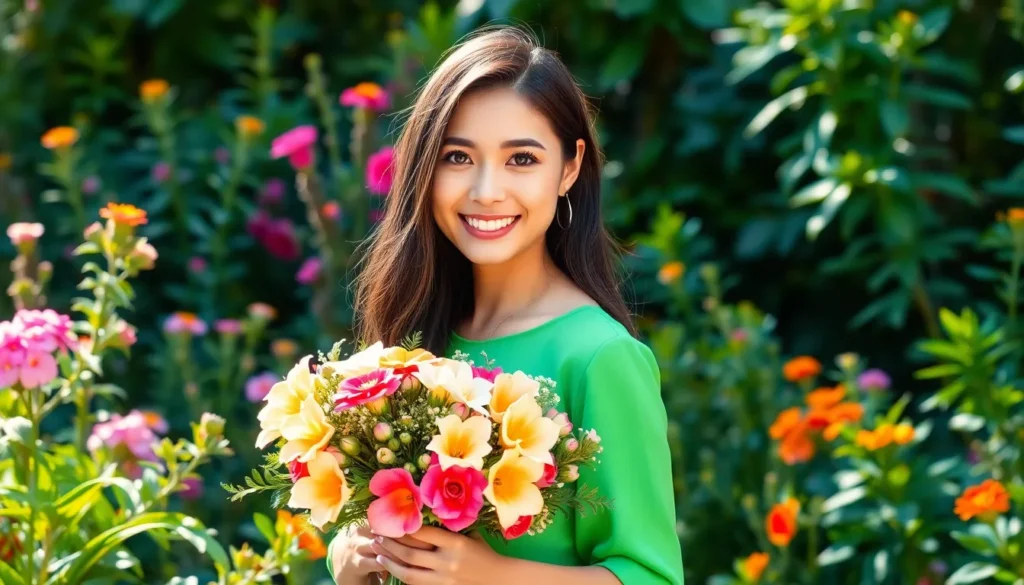
Green is often seen as the color of life, nature, and tranquility. But let’s face it—sometimes it needs a little help to shine. If you’ve ever stared at a green wall or outfit and thought, “What on earth goes with this?” you’re not alone. The right color pairings can transform green from a wallflower to the life of the party.
Understanding Color Theory
Color theory explains the relationships between colors and how they combine. A deeper understanding of color dynamics enhances the selection of effective pairings with green.
The Color Wheel
The color wheel serves as a fundamental tool for understanding color relationships. Primary colors like red, blue, and yellow combine to create secondary colors, including green, orange, and purple. Green sits adjacent to blue and yellow, suggesting harmonious combinations. Tertiary colors arise from mixing primary and secondary shades, adding diversity. Using the wheel, one can visualize which colors complement or clash with green for striking designs.
Complementary Colors
Complementary colors offer vibrant contrasts that enhance visual appeal. Green’s complementary color is red, forming a dynamic pairing. This opposition generates energy and draws attention. Additionally, using shades or tints of red alongside green softens this contrast while maintaining interest. For added balance, incorporate neutral shades like white or gray to counterbalance bold colors. Such combinations elevate green’s presence while ensuring cohesive aesthetics.
Popular Colors That Go Good With Green
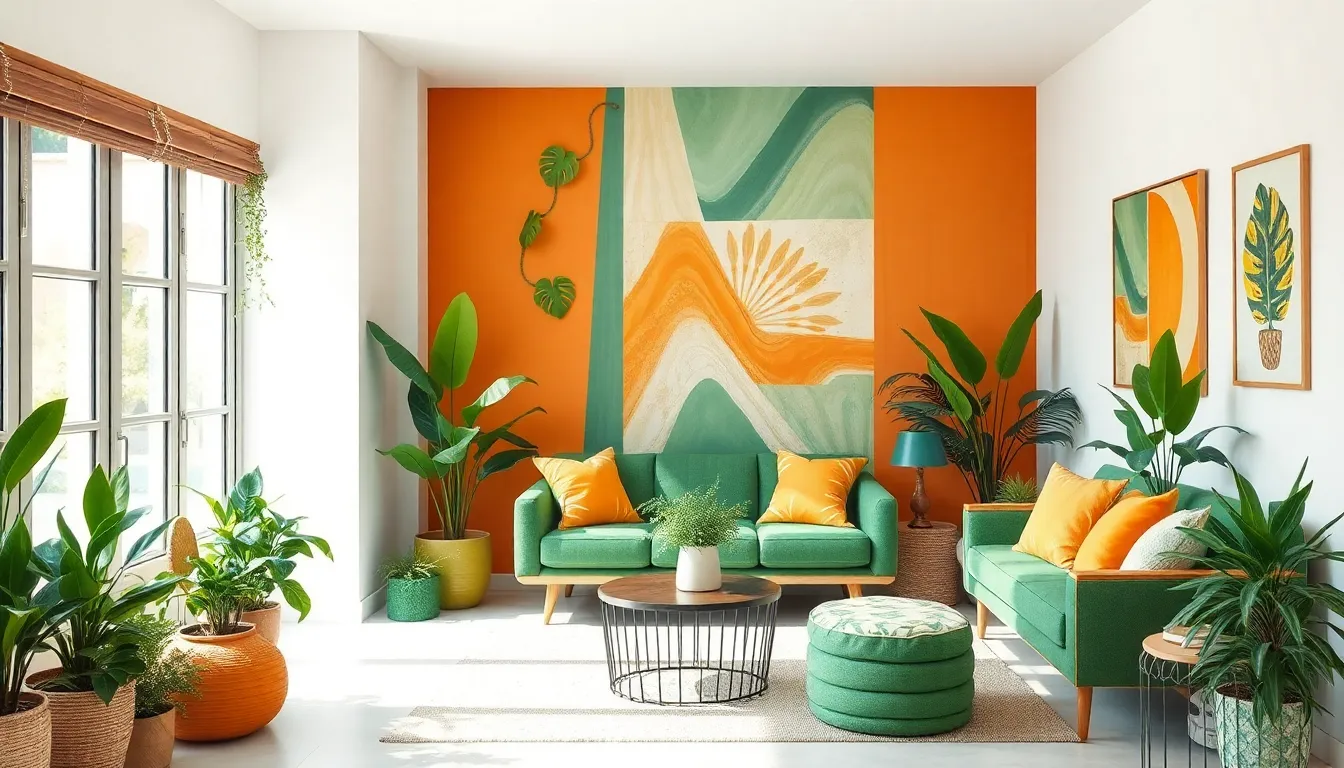
Several color combinations enhance green’s vibrancy. Each category offers unique pairings that bring out the best in green.
Neutrals
Neutral shades like white, gray, and beige balance green effectively. These colors provide a calming backdrop, allowing green to shine. When paired with light green, white creates a fresh look. Gray complements dark green, adding sophistication. Beige brings warmth, making spaces feel inviting. Incorporating neutrals creates harmony, catering to various design aesthetics.
Bold Colors
Bold colors, such as bright orange, deep blue, and striking pink, energize green. Orange adds warmth, creating a lively atmosphere. Pairing green with deep blue establishes a cool contrast, enhancing depth. Striking pink injects vibrancy into designs, fostering an engaging environment. These combinations appeal to those looking for dramatic effects.
Pastels
Pastel shades, including soft pink, light lavender, and baby blue, create gentle combinations with green. Soft pink offers a romantic touch, perfect for cozy spaces. Light lavender introduces a peaceful feel, enhancing tranquility. Baby blue complements green’s natural essence, producing a serene palette. Pastels soften the overall look, attracting minimalistic and modern design preferences.
Different Shades of Green
Different shades of green evoke various feelings and atmospheres. Understanding these shades helps in selecting appropriate color combinations.
Light Greens
Light greens offer a fresh and airy vibe. Shades like mint, pastel green, and pea green provide a soft aesthetic. These colors pair well with neutrals such as white and beige, creating a calm backdrop. Light pinks, soft yellows, and lavender enhance the gentle look, making spaces feel cheerful and inviting. Light greens also work well with warmer tones, such as coral or peach, adding a touch of vibrancy without overwhelming. Designers often use light greens in modern interiors or spring-themed decorations due to their uplifting effect.
Dark Greens
Dark greens convey elegance and richness. Shades like forest green, emerald, and olive bring depth to designs. These colors complement earthy tones such as browns and taupes, creating a grounded and cohesive look. Pairing dark greens with gold or brass accents adds sophistication and luxury. The contrast with lighter shades, like cream or light gray, brightens the overall scheme while retaining a sleek appearance. Dark greens appear frequently in traditional and classic interiors, evoking a sense of nature and tranquility that enhances any space.
Using Colors in Interior Design
Incorporating colors in interior design can transform spaces, especially when paired with green. Selecting the right combinations elevates a design’s overall appeal.
Accent Colors
Accent colors play a vital role in enhancing green’s vibrancy. Consider using colors like vibrant coral, deep navy, or mustard yellow. These tones create striking contrasts and draw the eye, making green pop in any setting. For a more subtle approach, soft peach or dusty rose can complement green beautifully. Each of these options brings a different energy, allowing for creativity in decorating. Accent colors establish focal points that enhance the mood of the room.
Color Balance
Achieving color balance ensures a harmonious space. When using green as a primary color, incorporate a mix of neutrals and bolds for effect. Light grays or whites can act as grounding elements that keep the design from feeling overwhelming. In contrast, adding small doses of bolder colors maintains visual interest without overpowering green’s presence. Aim for equilibrium by pairing softer shades alongside richer tones. This balance creates a cohesive aesthetic, making spaces feel inviting and well-designed.
Fashion and Accessories
Green’s versatility shines in fashion and accessories, allowing for numerous appealing combinations.
Outfit Combinations
Pairing green with neutral tones, like beige or white, creates a fresh look. Dark green dresses nicely complement accessories in gold or brass for an elegant contrast. Mixing shades of green, such as olive with mint, adds depth and visual interest to an outfit. Bright colors, like coral or vibrant pink, energize green pieces and make statements. For more subdued appearances, soft pastels, including light lavender, bring a gentle warmth that balances green.
Seasonal Trends
Spring brings light greens to the forefront, emphasizing freshness and growth. Summer favors bold greens, often paired with bright yellows to capture the vibrant mood. Autumn leans towards darker, earthy greens, which harmonize well with warm rust or deep orange. Winter trends often integrate green with navy or cool grays for a sophisticated palette, perfect for layering. Observing seasonal shifts in color palettes becomes crucial for staying stylishly relevant throughout the year.
Green’s versatility makes it an exciting choice in both design and fashion. By understanding its relationships with other colors, one can create stunning combinations that enhance its beauty. Whether opting for bold contrasts or soft pastels, the right pairings can elevate any space or outfit.
Incorporating neutrals can provide balance while vibrant hues can energize the overall look. As seasons change, so too can the shades of green and their companions, allowing for fresh and dynamic expressions. Embracing these combinations ensures that green remains a standout choice, whether in interior design or personal style.


