
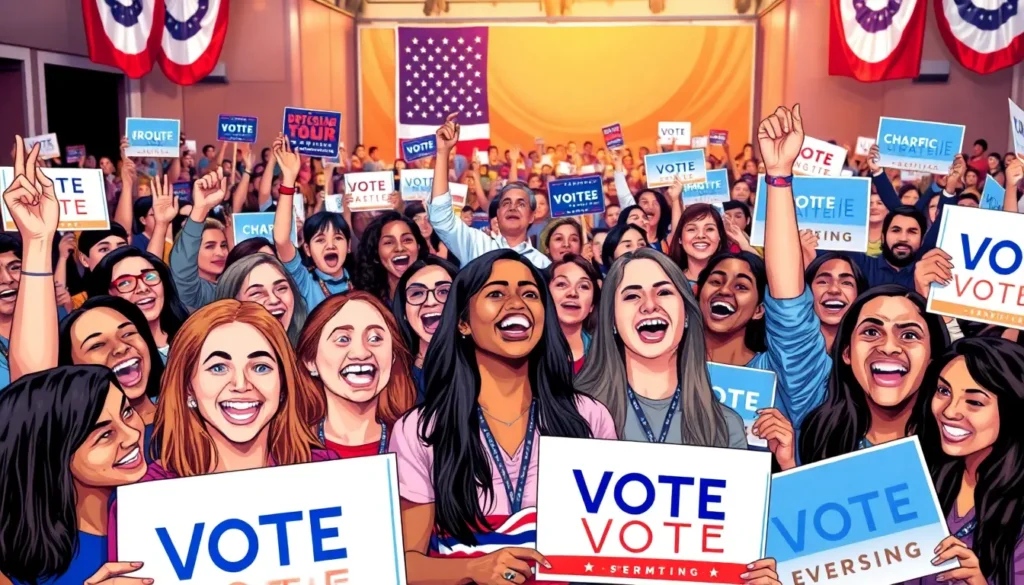
As the political circus rolls into town, everyone’s got their eyes glued to the big top, wondering who’ll take home the coveted crown. With debates heating up and campaign ads popping up like daisies in spring, it’s hard to keep track of who’s leading the pack. Is it the seasoned veteran with a penchant for policy or the fresh face promising change?
In this wild ride of an election season, the stakes couldn’t be higher. Voters are more engaged than ever, and social media is buzzing louder than a caffeine-fueled debate team. So, who’s winning the election right now? Buckle up as we dive into the latest polls, predictions, and maybe even a few surprises that’ll keep you on the edge of your seat.
Current State of the Election
The political landscape remains highly dynamic as the election approaches. Candidates intensify their campaigns, and voter engagement increases, with social media amplifying their messages.
Key Candidates Overview
Top candidates competing for votes include the incumbent president and leading challengers from both major parties. Each candidate presents unique platforms, addressing key issues like the economy, healthcare, and climate change. Independent candidates also emerge, further diversifying voter options. Notably, public figures and former officials rally support around specific candidates, creating alliances that impact perceptions. Campaign events feature prominently in candidate strategies, fostering grassroots movements.
Polling Trends
Polling data illustrates a fluctuating landscape, with some candidates gaining traction and others losing ground. Recent surveys show varying results across demographics, reflecting shifting voter priorities. A majority of polls indicate a close race, with less than 5% separating top candidates. Voter turnout predictions play a critical role, with high turnout likely favoring challenger candidates. Trends also indicate significant engagement among younger voters, who increasingly influence the electoral outcome.
Voter Demographics
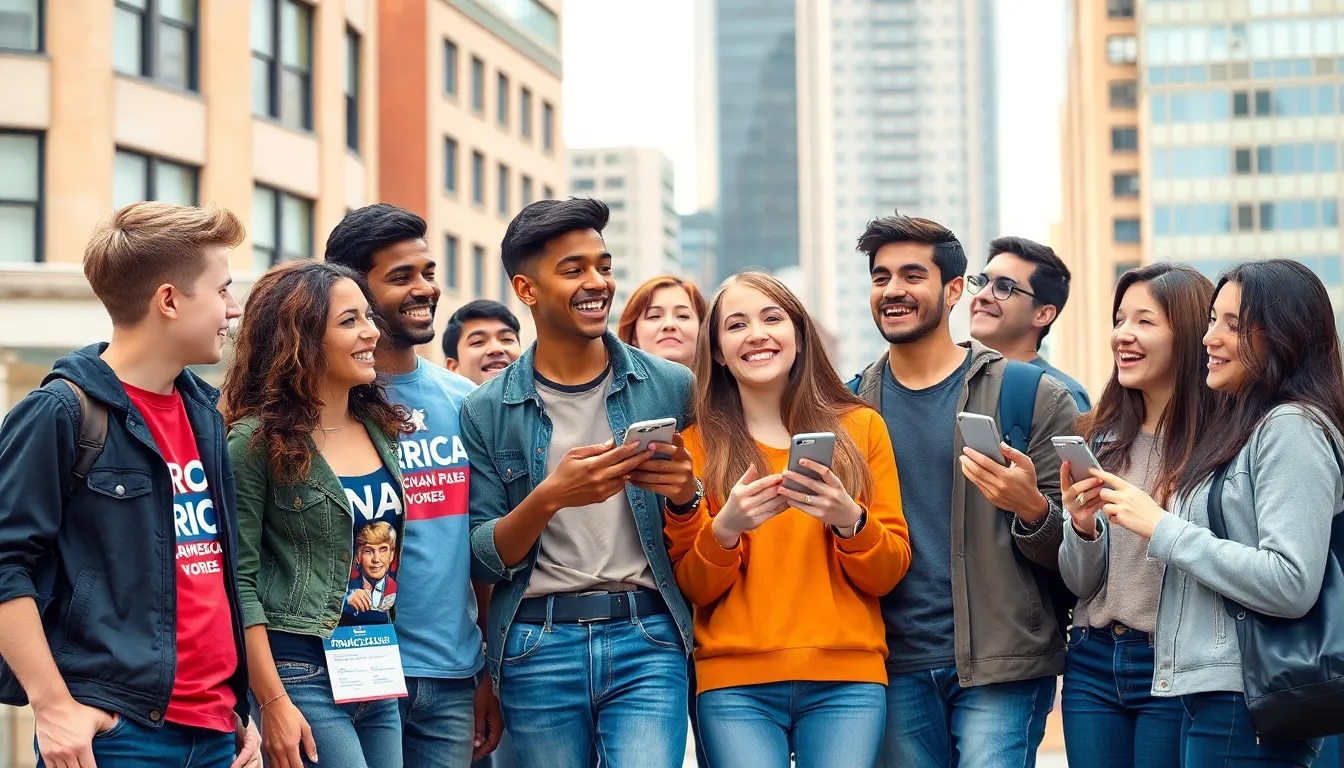
Voter demographics play a critical role in the current election landscape. Understanding these groups offers insights into voting patterns and preferences.
Age and Gender Breakdown
Younger voters, especially those aged 18 to 29, are showing heightened interest in this election cycle. Recent data indicates that nearly 60% of this age group is likely to participate, a significant increase from previous elections. Women tend to support certain candidates more than men, with polling reflecting a 10% lead for female voters in favor of the Democratic candidate. Men, however, are leaning towards Republican options, showing a divide that mirrors broader societal trends. This age and gender split highlights the varied priorities among voters, influencing campaign strategies heavily.
Geographic Influences
Geographic location significantly affects voter preferences. In urban areas, candidates focusing on social issues and environmental policies gain more support. Conversely, rural voters often prioritize economic growth and job creation, aligning more closely with conservative candidates. Swing states show diverse voter profiles, reflecting mixed political leanings. Recent polls indicate that candidates must secure at least 50% support in battleground regions to emerge victorious. Local issues also resonate differently, emphasizing the importance of tailored campaign messaging based on regional concerns.
Major Issues Influencing Voters
Voter preferences hinge on critical issues that shape the electoral landscape. Economic factors and social issues reign as main priorities for many citizens.
Economic Factors
The state of the economy significantly influences voter behavior. Inflation remains a pressing concern, with many feeling the effects of rising prices on everyday essentials. Unemployment rates also impact perceptions, especially in critical swing states where job creation is vital. Candidates’ proposed economic policies resonate strongly with individuals, prompting discussions about stability and growth. A close examination of recent polls indicates that nearly 70% of voters consider economic management a top priority. Voters lean towards candidates who address these economic concerns with practical solutions.
Social Issues
Social issues increasingly sway voter decisions during this election cycle. Topics like healthcare, education, and racial equality dominate discussions among various demographics. Concerns about access to affordable healthcare resonate particularly with younger voters; about 65% of them cite it as a critical factor influencing their choices. Education funding also garners attention, as families desire robust systems for their children. Racial and social justice movements further shape sentiments, with many advocating for reforms that promote equity. Candidates’ stances on these issues can determine their appeal, as demonstrated by polling data highlighting their importance in voters’ rankings of priorities.
Predictions and Trends
Current predictions point toward a competitive election cycle, with trends reflecting voter engagement. Polling data consistently shows a tight race, indicating significant shifts in voter sentiment as candidates’ campaigns evolve.
Expert Opinions
Political analysts emphasize that economic issues dominate voter priorities. According to recent surveys, nearly 70% of voters prioritize economic management, impacting their support for candidates. Experts note that younger voters increasingly value candidates’ positions on healthcare, with 65% emphasizing affordable access. Analysts also stress the importance of tailored messaging, as candidates address specific regional concerns. Credible sources suggest that grassroots movements can influence overall voter turnout, particularly among independent candidates. Engagement strategies targeting diverse demographics will likely shape the landscape as election day approaches.
Potential Outcomes
Potential outcomes indicate a closely contested race, especially in swing states. Analysts predict that voter turnout dynamics could favor challenger candidates, particularly if younger voters actively participate. Data shows that securing at least 50% support in these critical areas will be essential for any candidate seeking victory. Economic management remains paramount, as candidates proposing practical solutions might gain an edge. Observing shifts in polling could reveal how effectively candidates resonate with changing voter priorities. Close attention to these trends will provide insight into the factors shaping the election results.
The election landscape is shaping up to be one of the most competitive in recent history. With candidates ramping up their campaigns and voter engagement at an all-time high the dynamics are constantly shifting. Polling data suggests a tight race with less than 5% separating the top contenders.
As critical issues like the economy and healthcare dominate discussions candidates must adapt their strategies to resonate with diverse voter demographics. The influence of younger voters and grassroots movements could significantly impact the outcome. With election day approaching the stakes are higher than ever as candidates strive to secure their positions in this unpredictable political environment.


